Transparency and trust have become defining values in today’s botanical wellness industry. Consumers are no longer satisfied with vague ingredient claims or unclear sourcing practices. Instead, they seek brands that openly explain where their ingredients come from and how they are processed. For companies like First Choice Kratom, this shift highlights the importance of educating audiences about Natural and Synthetic Plant Extracts and why this distinction matters.
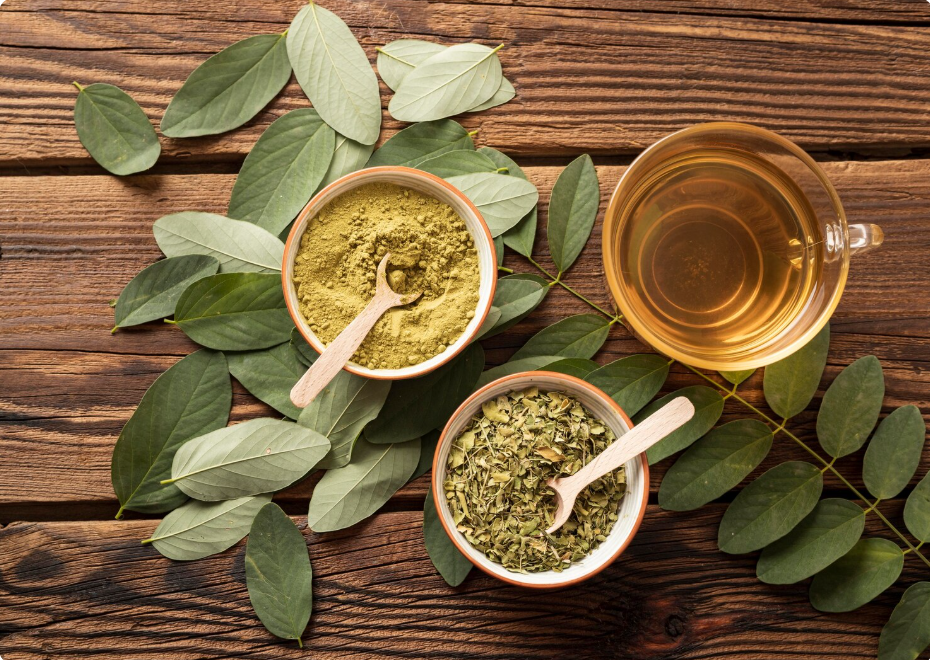
Plant-based ingredients have been part of traditional wellness practices for centuries. As modern technology advanced, laboratories gained the ability to recreate or modify plant compounds, giving rise to synthetic alternatives. This evolution created two clear categories within the industry, each with different implications for purity, sourcing, and consumer trust.
What Natural Plant Extracts Mean at First Choice Kratom?
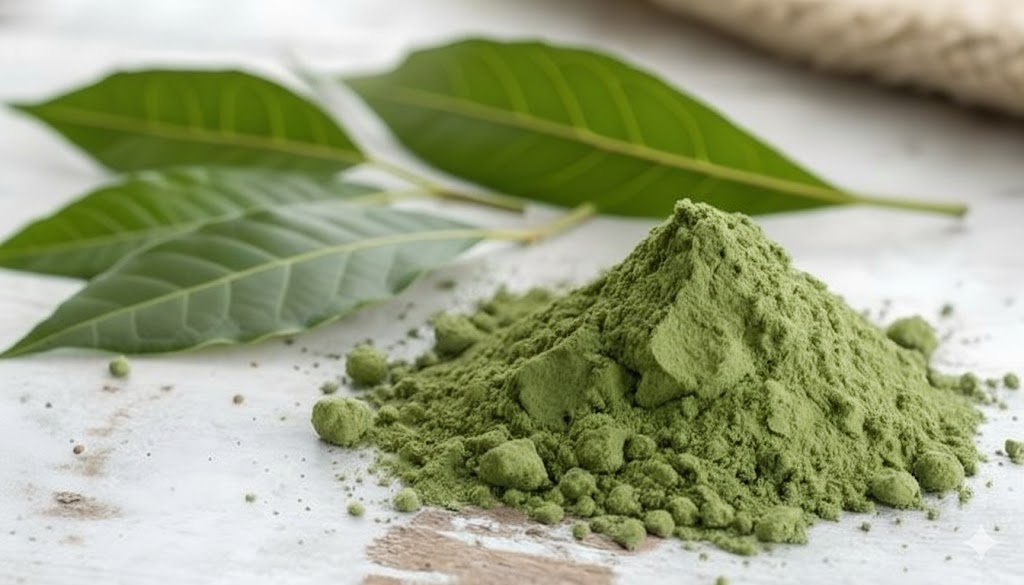
Natural plant extracts are derived directly from botanical sources using methods that preserve the plant’s original structure and integrity. At First Choice Kratom, this principle forms the foundation of quality standards and sourcing decisions. Within discussions of Natural and Synthetic Plant Extracts, natural sourcing represents a commitment to authenticity and transparency.
Key characteristics of natural plant extracts include,
- Direct sourcing from real plant material
- Minimal processing to maintain natural composition
- Retention of naturally occurring compounds
- Dependence on ethical harvesting and handling
By focusing on naturally sourced materials, First Choice Kratom aligns with consumers who value purity and responsible practices.
Understanding Synthetic Plant Extracts
Synthetic plant extracts are produced through laboratory-based chemical processes that recreate or modify compounds originally found in plants. This approach represents the alternative side of the Natural and Synthetic Plant Extracts conversation.
Synthetic extracts are generally associated with,
- Laboratory creation rather than agricultural sourcing
- Isolation of specific compounds
- Controlled consistency
- Reduced connection to natural ecosystems
While these extracts may be used in certain industries, many wellness-focused consumers prefer products rooted in natural sourcing and minimal processing.
Key Differences Between Natural and Synthetic Extracts
Understanding the difference between Natural and Synthetic Plant Extracts requires examining several important factors that influence both quality and trust.
Origin
Natural extracts are sourced directly from plants, while synthetic extracts originate in laboratories.
Composition
Natural extracts contain a balanced mix of compounds that occur naturally together. Synthetic extracts often focus on isolated or altered components.
Processing
Natural extracts rely on careful extraction methods designed to preserve integrity. Synthetic extracts involve chemical synthesis.
Consumer Confidence
Natural sourcing is commonly associated with transparency and tradition, which play a significant role in consumer trust.
Ethical Sourcing as a Brand Commitment
Sourcing quality directly affects the final integrity of botanical products. At First Choice Kratom, ethical sourcing is treated as a responsibility rather than a marketing claim. This commitment is central to discussions surrounding Natural and Synthetic Plant Extracts.
Important sourcing considerations include,
- Soil quality and environmental conditions
- Responsible harvesting practices
- Proper handling and storage
- Consistent supplier standards
By maintaining strict sourcing guidelines, First Choice Kratom ensures consistency and reliability across all batches.
Quality Control and Third-Party Lab Testing
Quality control is a cornerstone of responsible botanical practices. First Choice Kratom relies on third-party laboratory testing to verify purity, safety, and authenticity. This process is especially important when addressing Natural and Synthetic Plant Extracts, as testing confirms that products remain true to their natural origin.
Quality assurance includes,
- Screening for contaminants
- Verifying natural composition
- Confirming the absence of fillers or adulterants
- Maintaining batch consistency
Third-party testing reinforces transparency and helps build long-term consumer confidence.
Transparency as a Core Brand Value
Transparency is not optional in the modern wellness space. Consumers expect clear communication about sourcing, testing, and standards. First Choice Kratom approaches Natural and Synthetic Plant Extracts with an educational mindset rather than promotional messaging.
Transparency-driven practices include,
- Clear explanations of quality standards
- Accessible testing information
- Educational content focused on awareness
- Honest communication about regulatory considerations
This approach strengthens trust while supporting compliance.
Regulatory Awareness and Responsible Communication
Botanical products in the United States are subject to evolving regulatory oversight. State-level changes often require brands to adapt their communication strategies while maintaining visibility and credibility.
In Ohio, amendments introduced in December 2025 increased scrutiny on certain botanical compounds. During this period, First Choice Kratom emphasizes education, purity, and responsible practices rather than direct product promotion. Discussing Natural and Synthetic Plant Extracts within an informational framework allows the brand to remain compliant while continuing to inform its audience.
Why Purity Remains a Priority?
Purity plays a defining role in how botanical products are perceived. Products rooted in natural sourcing and rigorous testing reflect the values associated with Natural and Synthetic Plant Extracts discussions.
Purity-focused practices include,
- Avoiding unnecessary additives
- Maintaining strict quality benchmarks
- Supporting transparent testing
- Upholding ethical sourcing
These principles guide First Choice Kratom’s approach to quality and trust.
Responsible Practices in the Botanical Industry
Responsible brands prioritize long-term credibility over short-term visibility. First Choice Kratom demonstrates leadership by focusing on education, compliance, and quality within the broader conversation around Natural and Synthetic Plant Extracts.
Responsible practices involve,
- Ethical supplier partnerships
- Continuous quality monitoring
- Regulatory awareness
- Consumer education initiatives
This strategy supports sustainable growth and industry trust.
Educating Consumers Through Knowledge
Education empowers consumers to make informed decisions. By explaining ingredient differences clearly, First Choice Kratom helps individuals understand the significance of Natural and Synthetic Plant Extracts without relying on exaggerated claims.
Educational content focuses on,
- Ingredient sourcing
- Quality assurance
- Industry standards
- Consumer awareness
This approach builds authority while maintaining compliance.
Conclusion
Understanding the difference between Natural and Synthetic Plant Extracts is essential for navigating today’s botanical wellness landscape. For First Choice Kratom, this understanding guides sourcing decisions, quality standards, and transparent communication.
By prioritizing natural sourcing, third-party testing, and responsible education, First Choice Kratom continues to build trust across the United States, including Ohio. As consumer awareness grows and regulations evolve, a commitment to integrity and transparency ensures long-term credibility and sustainable success.